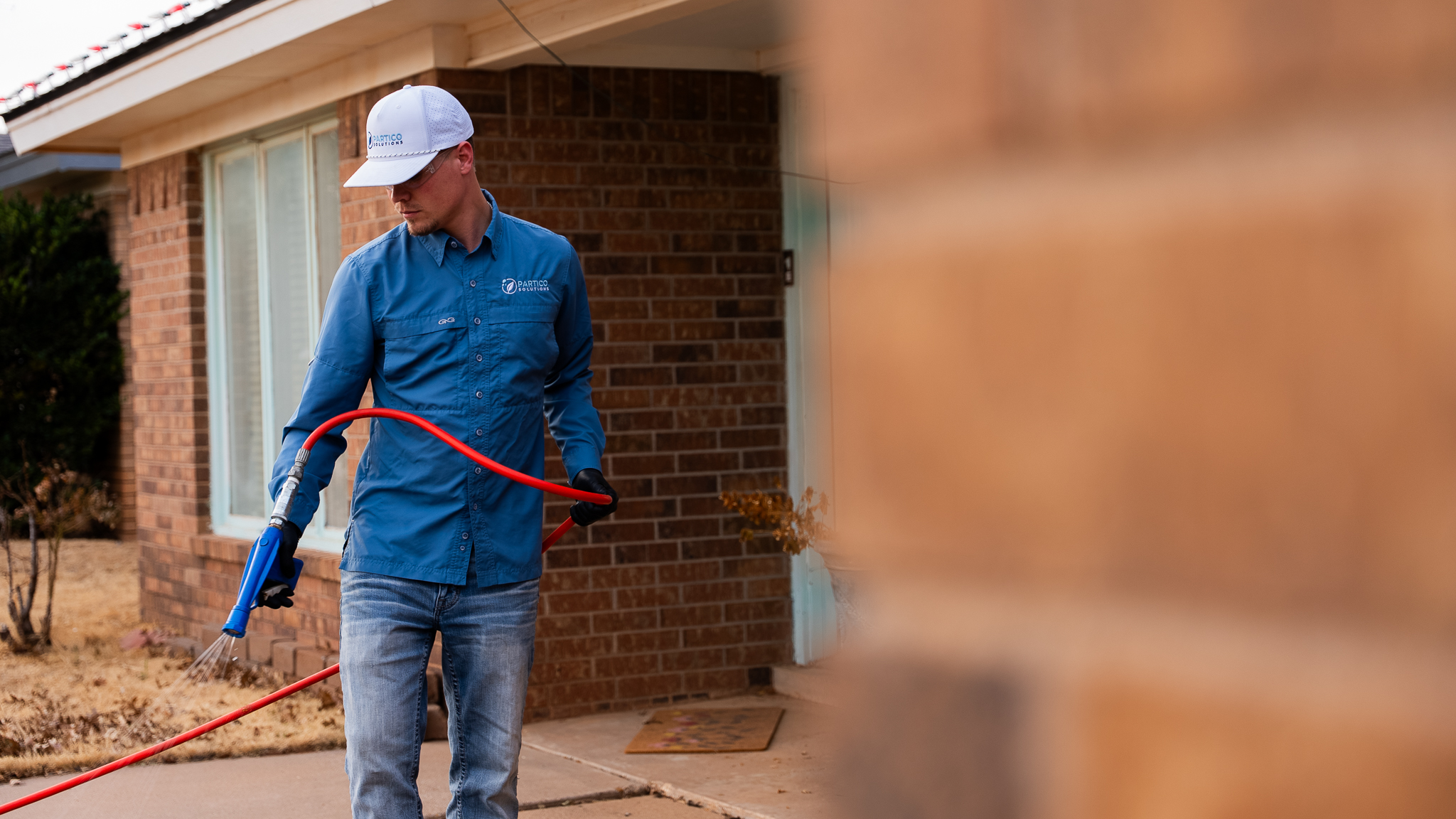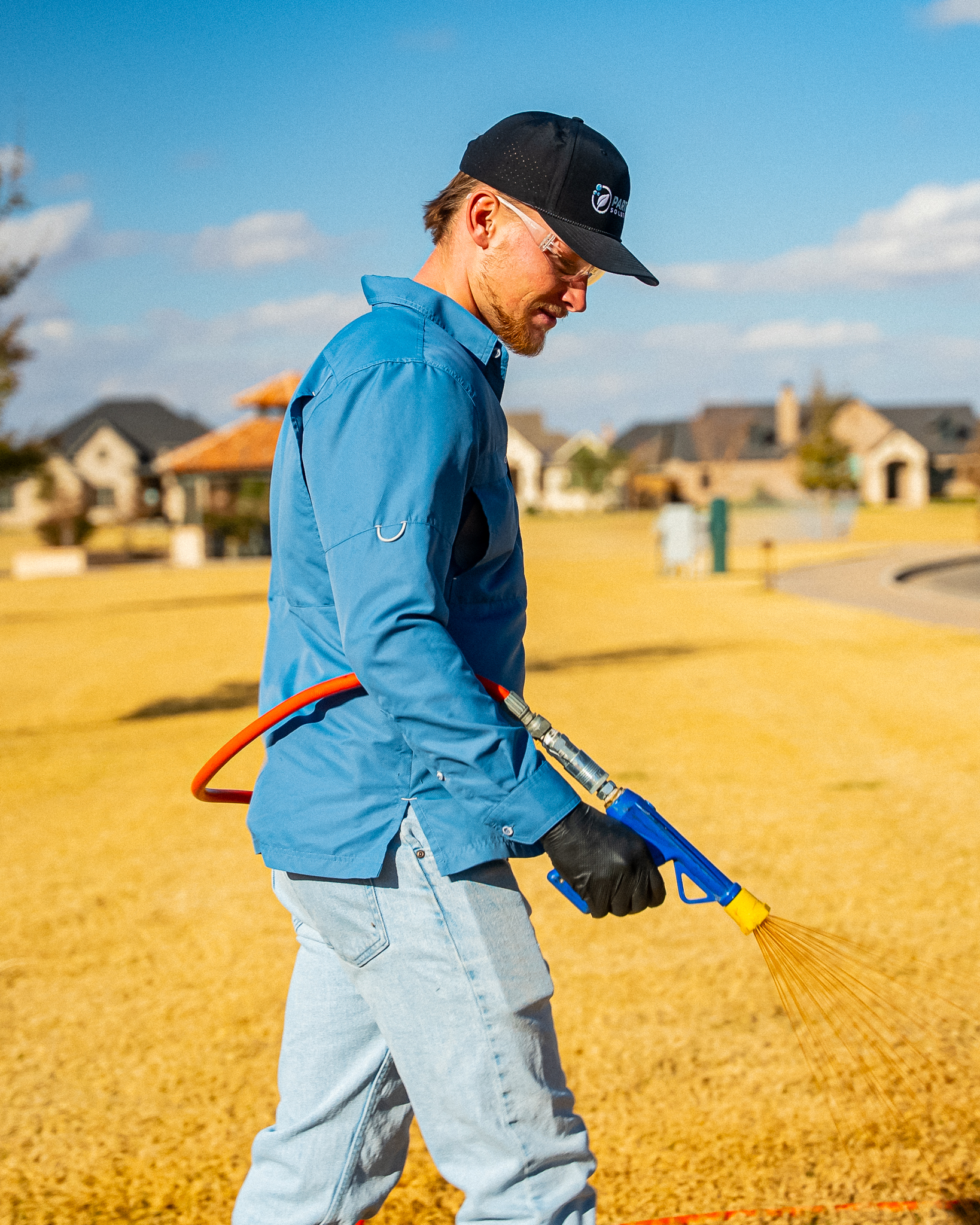
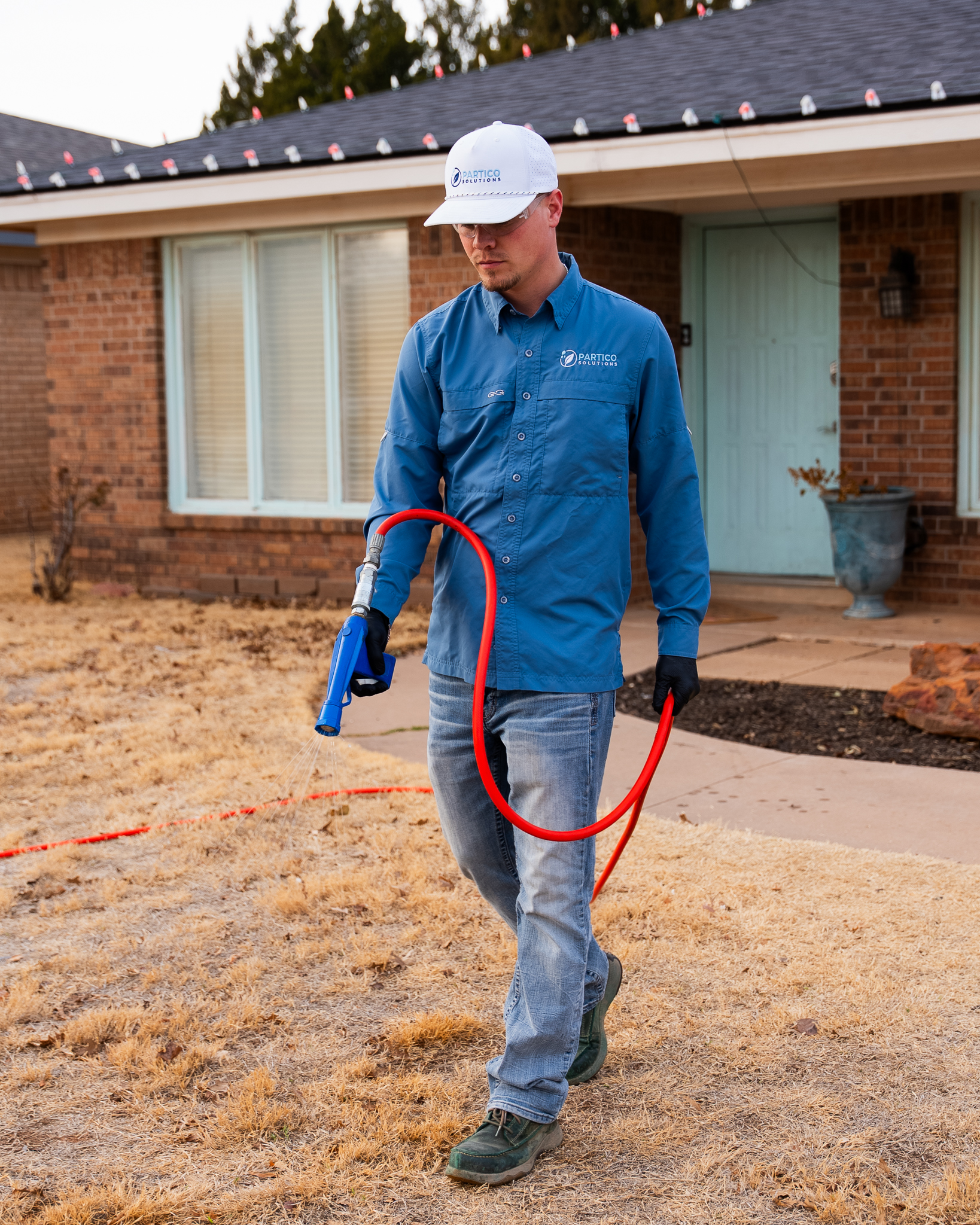
Glyphosate weed killer is often misunderstood, especially here in Lubbock where our West Texas climate demands careful care. Using it without the right knowledge can lead to more problems, not fewer. In this post, you’ll learn when glyphosate makes sense, why timing and technique matter, and what safer, local alternatives protect your lawn while keeping weeds in check. For more information on glyphosate, you can visit this page.
Understanding Glyphosate Weed Killer
Let’s kick things off by getting to know glyphosate better. This weed killer is widely used in Lubbock, but understanding its role can help you manage your lawn effectively.
What is Glyphosate?
Glyphosate is a chemical compound used in herbicides to control weeds. It’s known as a non-selective herbicide, meaning it can eliminate most plants it touches. That’s why many people use it to clear unwanted vegetation. However, caution is key. When using glyphosate, it’s important to apply it carefully to avoid harming your desired plants. For a detailed explanation, you can check this article.
Is Glyphosate Safe?
Safety is a frequent concern when it comes to glyphosate. While the Environmental Protection Agency (EPA) has deemed glyphosate safe when used according to label directions, it’s crucial to follow these guidelines closely. Improper use can lead to potential risks. Always wear protective gear and avoid spraying on windy days to prevent drift. For more safety information, you can visit this source.
When to Use Glyphosate
The timing of glyphosate application is vital. Use it when weeds are actively growing for the best results. In Lubbock, early spring and fall are ideal times as the weather is mild, and weeds are more vulnerable. Remember, patience pays off; give it time to work before expecting results.
Safer Alternatives to Glyphosate
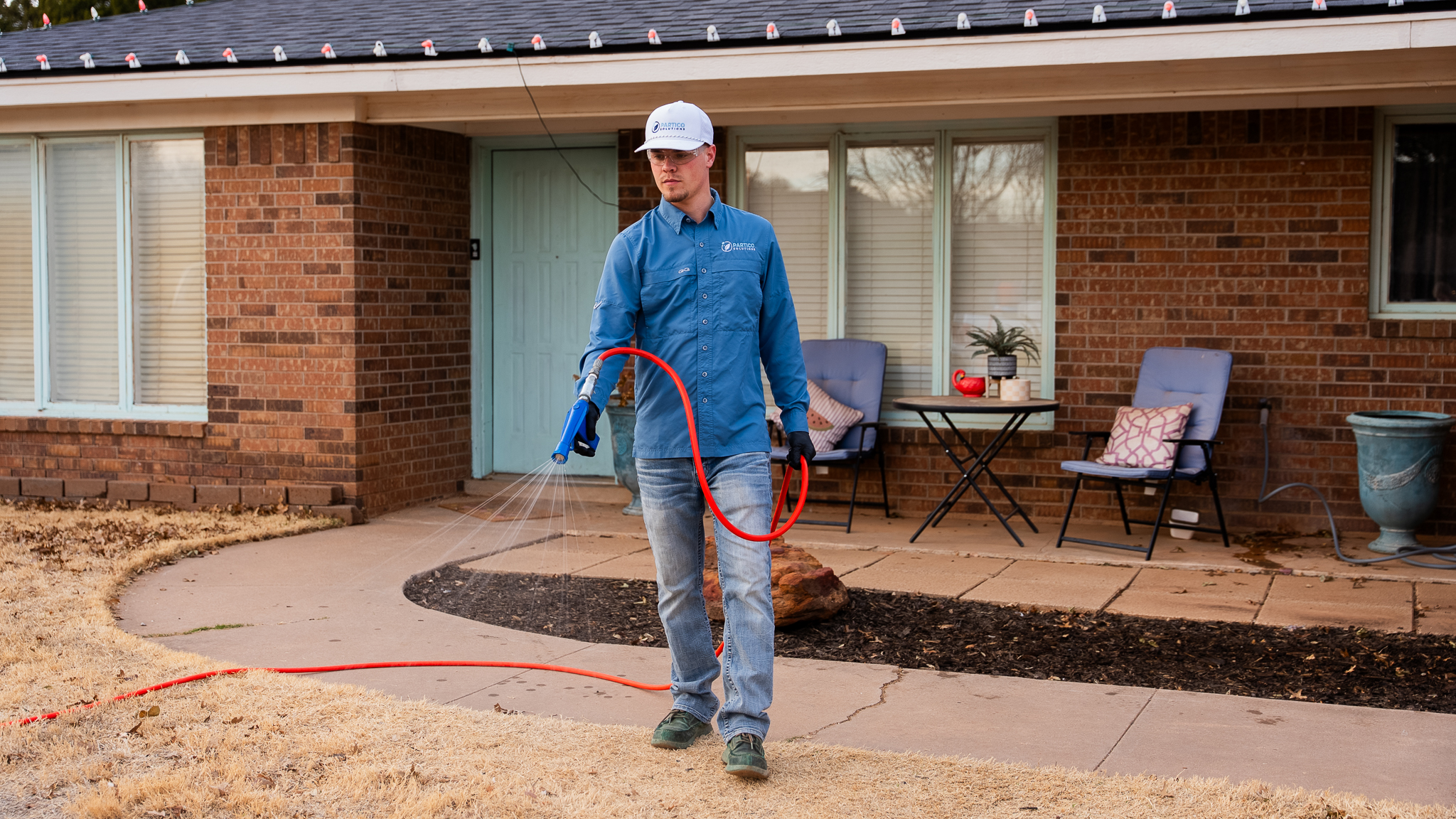
If you’re looking for eco-friendly ways to tackle weeds, consider alternatives to glyphosate. These options are not only effective but also gentle on your lawn and the environment.
Exploring Glyphosate Alternatives
There are several alternatives available that can help maintain a weed-free yard without glyphosate. Selective herbicides target specific weeds without harming your lawn. For Bermuda grass, try a selective herbicide designed for this type of grass. Additionally, local products can be effective and safer for your lawn.
Benefits of Eco-Friendly Weed Control
Switching to eco-friendly weed control has its perks. These methods reduce chemical exposure, preserving the health of your lawn and the environment. Plus, they often promote biodiversity by sparing beneficial plants. By going green, you’re contributing to a healthier ecosystem in Lubbock.
Local Lawn Experts’ Recommendations
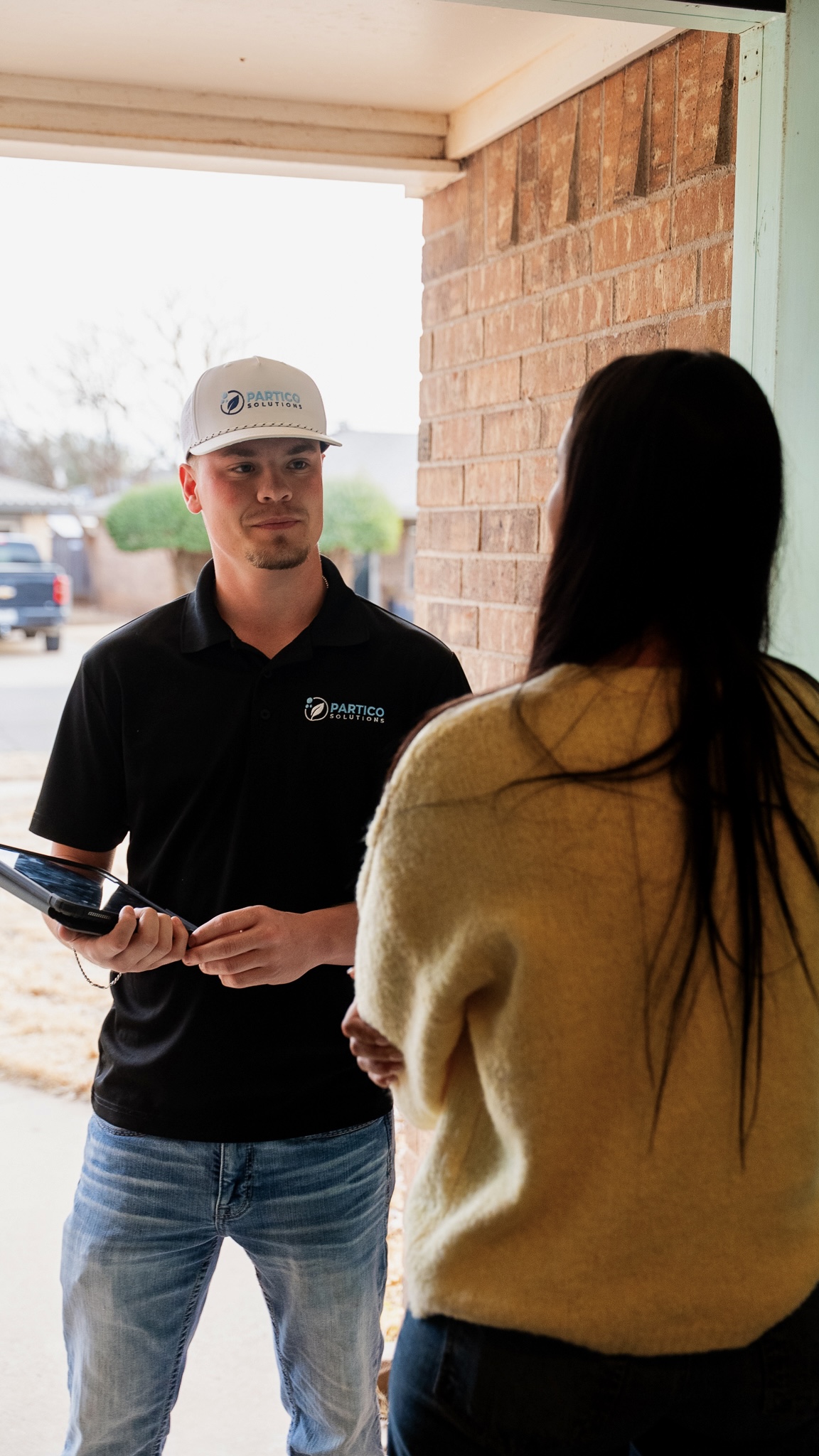
Lubbock lawn experts recommend using a mix of manual and organic solutions. Hand-pulling weeds can be effective for small areas, and organic sprays are great for larger patches. For a comprehensive approach, consider consulting local professionals for advice tailored to your yard’s needs.
Effective Weed Control in Lubbock, TX
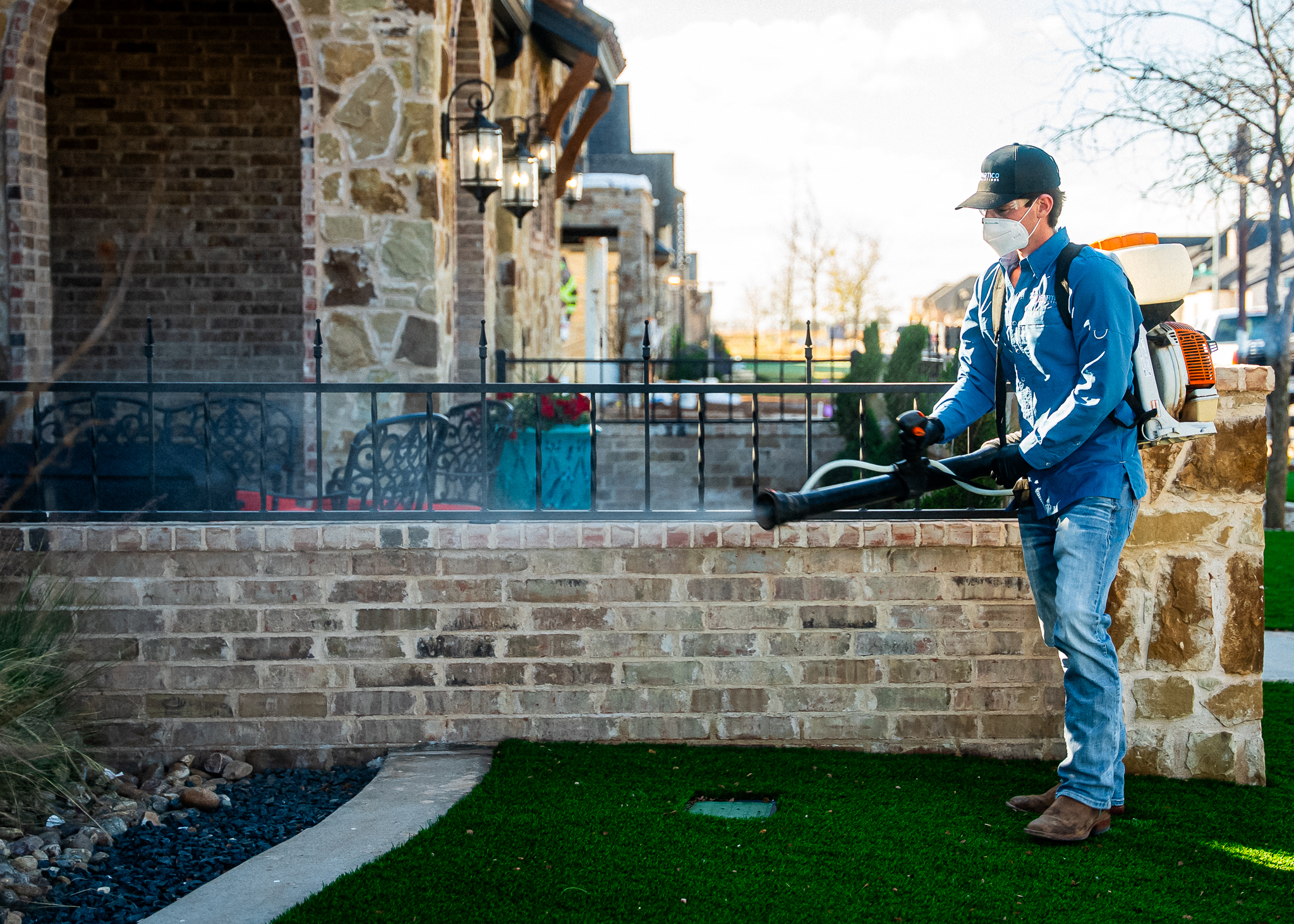
With a clear understanding of glyphosate and its alternatives, it’s time to explore effective weed control strategies specifically for Lubbock’s unique conditions.
Integrated Pest Management for Lawns
Integrated Pest Management (IPM) is a holistic approach to lawn care. It involves monitoring your lawn’s health, applying targeted treatments, and utilizing eco-friendly methods. IPM minimizes chemical use while maximizing lawn health—an approach well-suited to our local environment.
Customized Weed Control Strategies
Creating a weed control strategy that fits your lawn’s unique needs is essential. Consider factors like soil type, local climate, and common weeds in Lubbock. Tailored solutions can offer more effective results, ensuring a lush, healthy lawn year-round. For more on local strategies, check out this guide.
Importance of Pre-Emergent Timing
Timing is everything with weed control, especially when using pre-emergent treatments. Applying them before weeds germinate is crucial. For Lubbock, this means early spring or late fall applications. By catching weeds early, you can significantly reduce their presence throughout the year.
Frequently Asked Questions
What is glyphosate, and how does it work?
Glyphosate is a non-selective herbicide that kills most plants it contacts. It works by blocking a specific enzyme pathway, essential for plant growth, making it effective against a wide range of weeds.
Is glyphosate safe to use around pets and children?
When used as directed, glyphosate is considered safe by the EPA. However, it’s best to keep pets and children away from treated areas until it’s fully dry to minimize exposure.
What are some alternatives to using glyphosate?
Alternatives include selective herbicides, organic sprays, and manual removal methods. These options can be effective while being gentler on the environment and your lawn. Consult local experts for recommendations that suit your specific lawn needs.