West Texas Tough: How Lubbock’s Climate Shapes Smarter Lawn & Pest Strategies
West Texas heat, wind, and tough caliche soil create serious challenges for keeping your lawn healthy and pest-free. Many local lawns struggle with dry patches, stubborn weeds, and pests that thrive in our unique climate. You’ll learn how smart West Texas climate lawn care strategies help you protect your grass and control pests while saving water and time. Let’s explore what makes Lubbock lawn care different—and how Partico Solutions’ tailored plans fit your property’s needs. Learn more about the impact of West Texas soil and weather on your lawn health and pest risks.
West Texas Climate Challenges
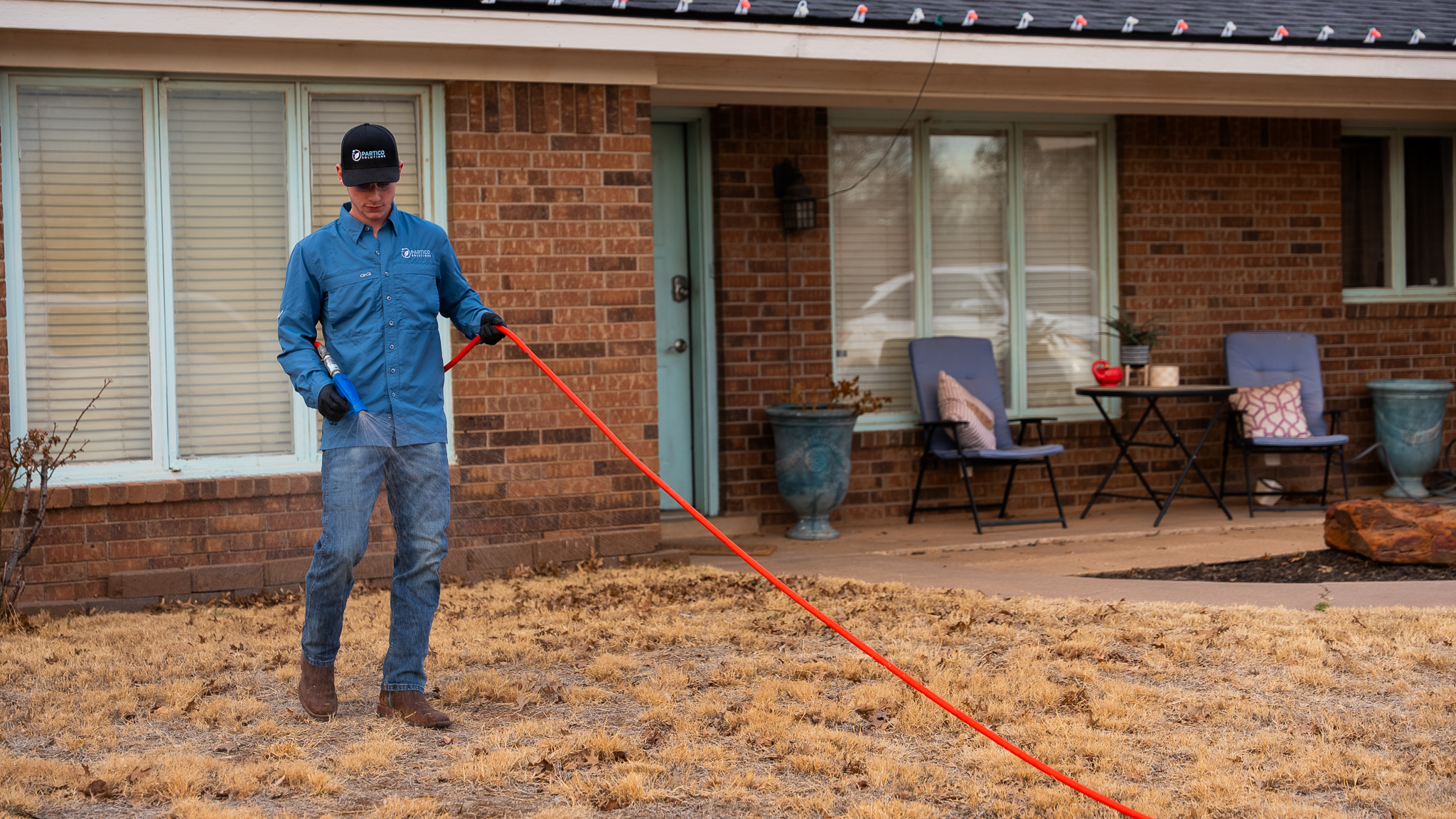
The West Texas climate presents unique hurdles that require special strategies. From scorching heat to relentless winds, each factor can significantly impact your lawn’s health.
Battling the Heat and Wind
The extreme temperatures in West Texas can be brutal on your lawn. The sun bakes the soil, while the wind robs it of precious moisture. To manage this, many turn to hardy grass varieties like Bermudagrass or Buffalograss. These types of grass are known to withstand the harsh climate. Regular mowing and proper fertilization also help your lawn withstand the elements.
Think of your grass as a shield against the sun. By keeping it slightly longer, you can protect the roots from direct sunlight. Consider installing windbreaks, such as trees or fences, which can help reduce the drying effects of the wind. This balance can help maintain a lush and green lawn even under the harshest conditions.
Managing Caliche Soil Issues
Caliche soil, common in West Texas, is notorious for being hard and compact. This can make it difficult for grass roots to penetrate. To overcome this, soil testing is crucial. Knowing what nutrients are lacking can guide you on what amendments to add. For example, adding organic matter like compost can improve soil structure.
Aeration is another effective method. By creating small holes in the soil, you allow water and nutrients to reach the roots more efficiently. This is especially beneficial for lawns with high clay content. With the right approach, caliche soil can support a healthy, thriving lawn.
Coping with Water Limitations
Water scarcity is a constant concern in this region. Efficient watering techniques are essential to keep your lawn healthy. One effective method is drip irrigation. This system delivers water directly to the roots, minimizing evaporation. You could also consider watering early in the morning or late in the evening. This reduces water loss due to heat.
Additionally, using a drought-tolerant grass variety can be a game-changer. These grasses require less water and are more resilient during dry spells. By adopting these practices, you can maintain a beautiful lawn while conserving water resources. Explore more about building a drought-tolerant lawn in West Texas.
Smart Lawn Care Strategies

Effective lawn care in Lubbock goes beyond basic maintenance. It involves tailored strategies to suit the local environment, ensuring vibrant and healthy growth.
Soil Testing and Amendments
Understanding your soil’s composition is the first step in effective lawn care. A soil test can reveal deficiencies and help guide the addition of necessary nutrients. Common amendments like lime or sulfur adjust pH levels, while organic matter improves texture. Regular testing ensures your lawn always has the nutrients it needs.
Amending your soil can transform its capacity to support plant life. For instance, adding gypsum to clay-heavy soil can improve drainage. Likewise, incorporating compost can increase organic content and improve root penetration. These amendments create a thriving environment for your grass.
Water-Wise Irrigation Techniques
Modern irrigation techniques can significantly reduce water wastage. Systems like drip irrigation or smart controllers provide precise watering. This not only conserves water but also ensures your lawn gets the right amount of moisture.
Consider setting your system to water in the early morning or late evening. This reduces evaporation rates. Adjustments based on weather conditions can further enhance efficiency. By adopting these methods, you maintain a lush lawn while being mindful of water scarcity.
Seasonal and Eco-Friendly Treatments
Different seasons call for different lawn care treatments. Spring is ideal for fertilization and aeration. In contrast, fall focuses on weed control and overseeding. Using eco-friendly products can minimize environmental impact while maintaining effectiveness.
Look for natural herbicides and fertilizers. They are less likely to harm local wildlife and beneficial insects. These treatments not only maintain a healthy lawn but also contribute to a healthier ecosystem. Discover more about seasonal lawn care tips for Texas homeowners.
Effective Pest Control Solutions
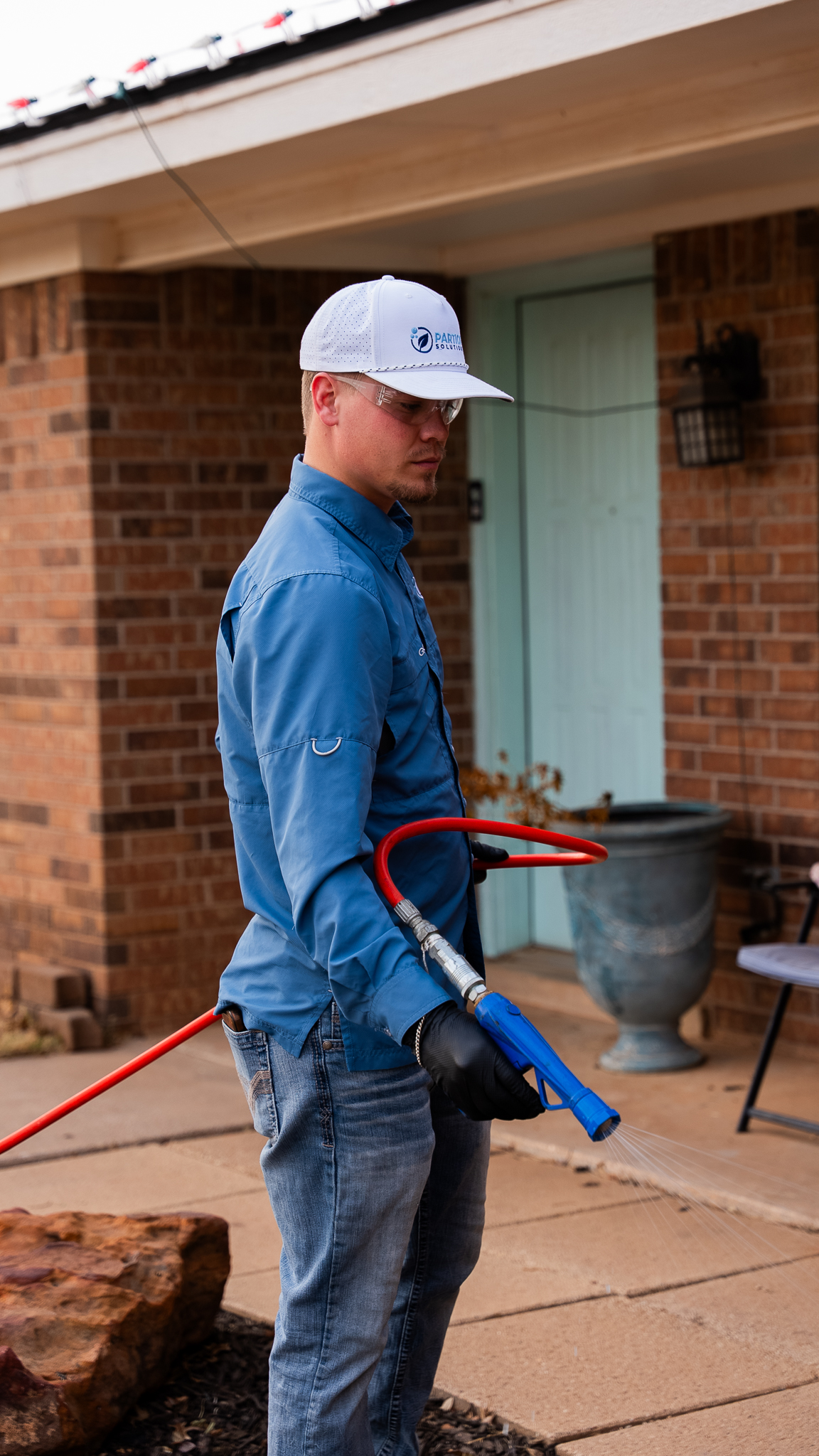
Managing pests in West Texas requires a comprehensive approach. By understanding local pest challenges, you can protect your lawn and garden effectively.
Integrated Pest Management (IPM)
IPM is a holistic approach to pest control. It combines biological, cultural, and chemical practices to manage pests. This method focuses on long-term prevention and minimal environmental impact. Regular monitoring helps catch pest problems early.
Using natural predators is one way to control pests without chemicals. Ladybugs, for instance, are great for controlling aphids. Also, planting pest-resistant varieties can reduce infestations. IPM ensures effective pest control while maintaining ecological balance.
Targeting Local Pest Problems
West Texas is home to specific pests like fire ants and spider mites. Targeted treatments address these problems effectively. For fire ants, bait treatments can eliminate entire colonies. Regular inspections help identify and treat problem areas early.
Understanding the lifecycle of pests aids in selecting the right treatment. For example, treating grubs is most effective when they are young. Tailored solutions ensure your lawn stays pest-free while minimizing harm to beneficial organisms. Learn more about identifying Texas lawn summer pests and solutions.
Safe and Pet-Friendly Options
Safety is a top priority for families with pets. Choosing pet-safe pest control options ensures the well-being of your furry friends. Many natural products are effective against pests without posing risks to pets.
Look for treatments labeled as pet-safe. These are designed to break down quickly, reducing exposure risk. By choosing such options, you protect your pets and maintain a healthy lawn. Find out more about eco-friendly pest control options.
In summary, understanding the unique challenges of West Texas climate is key to effective lawn and pest management. By implementing smart strategies, you can enjoy a lush, pest-free lawn year-round, all while conserving resources and ensuring safety for your family and pets.