

West Texas Lawn Care That Works: Proven Strategies for Lubbock Soil and Climate
Forget everything you know about lawn care—West Texas soil and climate demand a very different approach. If you’re tired of battling tough caliche soil, alkaline patches, and relentless weeds, you’re not alone. This guide breaks down smart strategies for Lubbock lawn care that actually work with local conditions, from drought-tolerant grasses to targeted pest control. Ready to see your lawn thrive? Keep reading for tips tailored just for West Texas.
Understanding West Texas Soil

Understanding the challenges of West Texas soil is the first step toward a thriving lawn. Let’s explore what makes it unique and how you can address its specific issues.
Characteristics of Caliche Soil
Caliche soil is a common sight in West Texas. It’s known for its hard, cement-like texture, which can be tough on your lawn. This soil type is dense, making it difficult for roots to penetrate. When it rains, water tends to run off rather than soak in, leaving your grass thirsty.
To give your lawn a fighting chance, you’ll need smart strategies. Aerating your lawn helps break up the soil, allowing air and water to reach the roots. Consider using a core aerator to create small holes in the ground, improving absorption. Adding organic matter like compost can also enhance soil structure, providing much-needed nutrients.
Managing Alkaline Soil Lawns
West Texas soils are often alkaline, meaning they have a high pH level. This can lead to nutrient deficiencies, making it hard for grass to grow. Testing your soil with a simple kit can reveal its pH level. Aim for a neutral range, around 6.5 to 7.0.
To tackle alkaline soil, apply iron supplements to correct deficiencies, and use fertilizers designed for alkaline conditions. Regular monitoring will help you adjust treatments as needed. This way, your lawn can absorb nutrients effectively, leading to healthier and greener grass.
Essential Lawn Care Strategies

Now that we’ve covered the soil, let’s dive into the heart of effective lawn care strategies for West Texas. These techniques will help you maintain a lush, healthy lawn despite challenging conditions.
Perfecting Your Irrigation Schedule
Water is a precious resource in West Texas, making an efficient irrigation schedule vital. With the right approach, you can keep your lawn hydrated without wasting water. Aim to water your lawn early in the morning or late in the evening to minimize evaporation.
Consider using a sprinkler system with timers to ensure consistent watering. A sprinkler audit can help identify areas where water might be wasted. Stick to a schedule that delivers about 1 to 1.5 inches of water weekly, adjusting for rainfall. This consistency ensures your lawn receives the hydration it needs to thrive.
Effective Weed Control Techniques
Weeds can quickly take over if not managed properly. West Texas is home to stubborn varieties like crabgrass and goatheads. To keep them at bay, start with a pre-emergent weed control in early spring. This prevents seeds from taking root in the first place.
For weeds that have already appeared, a post-emergent treatment can help. It’s important to apply these treatments when weeds are actively growing for best results. Regular mowing and maintaining a healthy lawn can also reduce weed growth by limiting their access to sunlight.
Eco-Friendly Lawn Solutions
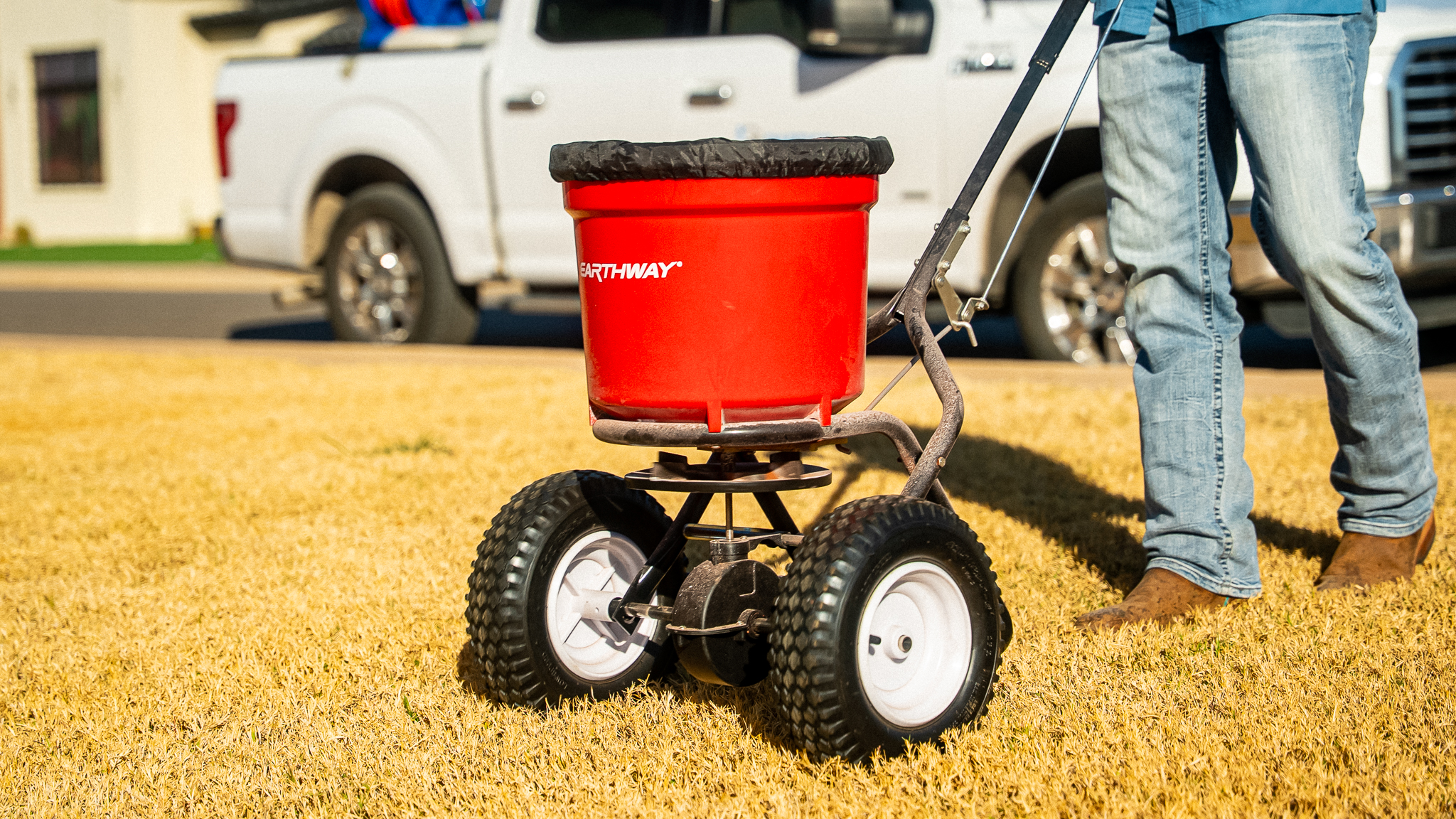
Creating a beautiful lawn doesn’t have to come at the expense of the environment. Eco-friendly solutions offer a sustainable way to maintain your grass while protecting local wildlife and resources.
Introducing Drought Tolerant Grass
Choosing the right grass is key for West Texas lawns. Drought-tolerant options like Bermuda grass and buffalo grass are great picks for Lubbock lawns. These grasses are hardy and require less water, making them ideal for dry conditions.
When planting drought-tolerant grass, follow these steps:
-
Prepare the soil by aerating and adding compost to promote healthy root growth.
-
Spread seeds evenly and cover them lightly with soil.
-
Water consistently until the grass is established, then reduce frequency.
Benefits of Integrated Pest Management 🌿
Integrated Pest Management (IPM) offers a holistic approach to pest control. It focuses on long-term prevention by combining different strategies, such as biological control and habitat manipulation.
By using IPM, you can reduce reliance on chemical treatments. For example, introducing beneficial insects can help control pest populations naturally. Learn more about IPM strategies that are tailored for Lubbock’s unique conditions. This approach not only protects your lawn but also contributes to a healthier ecosystem.
Implementing these strategies can make a significant difference for your lawn. By understanding the unique challenges of West Texas soil and employing effective care techniques, you’ll pave the way for a lush, green oasis in the heart of Lubbock.