
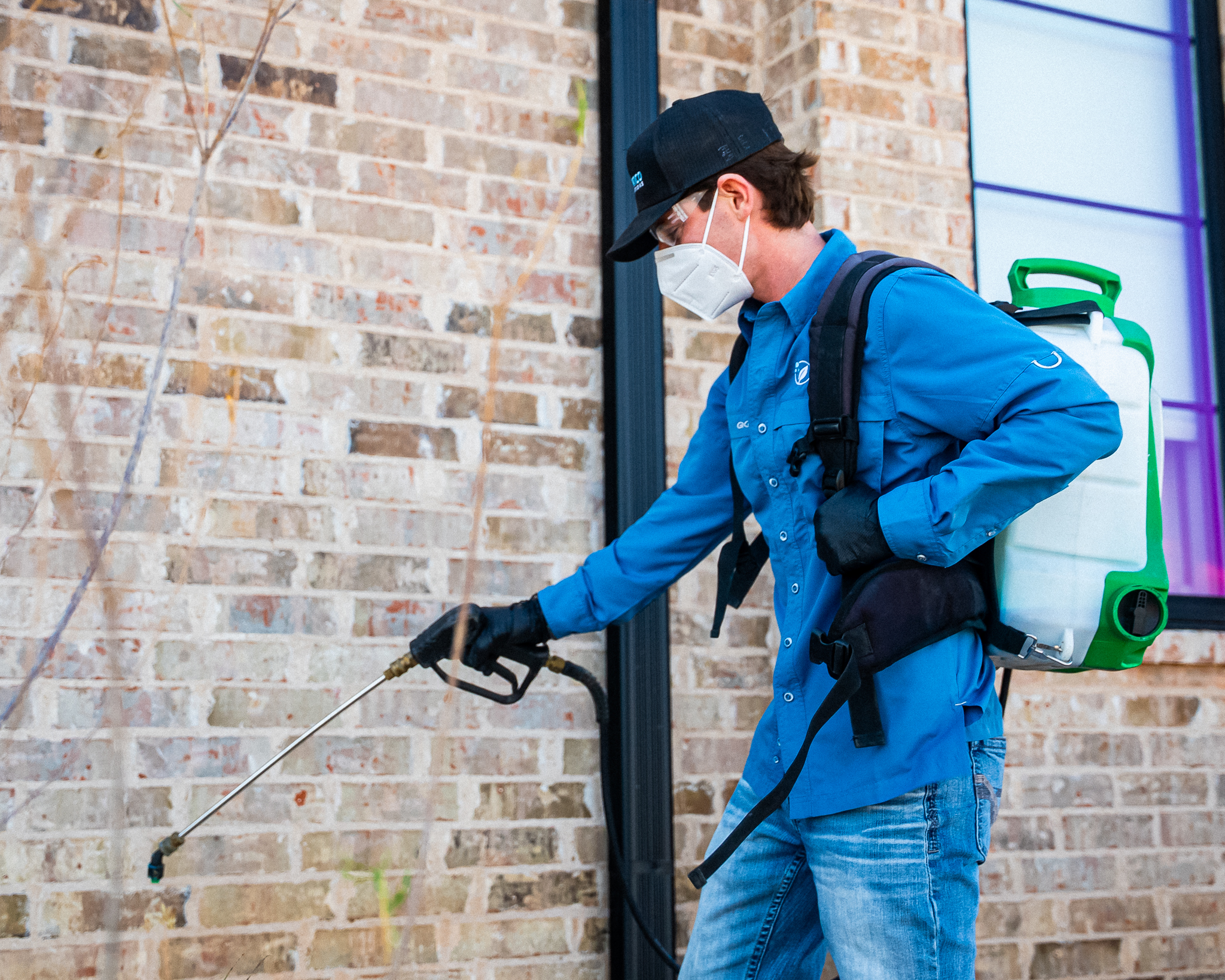
Bleach might seem like the quick fix for mold, but it doesn’t always do the job. Especially in Lubbock’s dry, dusty climate, mold hides in places bleach can’t reach, like porous surfaces. You’ll learn when bleach works, when it doesn’t, and safer ways to kill mold without risking your home or lawn. Let’s clear up the confusion and protect your property from moisture and pests the right way. Learn more about the limitations of bleach.
Does Bleach Kill Mold?
Bleach vs Mold: The Truth
Bleach is often the go-to cleaner for tackling mold. But does it really work? Many think bleach is the ultimate solution, yet it only works on non-porous surfaces. It can kill mold on tiles and glass, but not on wood or drywall. This is because bleach cannot penetrate these materials, leaving mold roots alive and ready to regrow. If you want a cleaner that tackles mold thoroughly, it’s essential to consider where the mold is growing.
Bleach also has limitations in its effects. While it can remove the surface mold, it won’t stop mold from coming back if the underlying moisture problem isn’t addressed. According to the EPA, addressing moisture is vital in preventing mold growth.
Mold on Porous Surfaces
Mold loves to hide in porous surfaces. This includes materials like wood, drywall, and carpet. When mold finds its way into these areas, it clings deep within. Bleach only cleans the surface, leaving the roots intact. This means the mold can come back quickly, sometimes even more resilient than before.
To properly treat mold on porous surfaces, you need a solution that penetrates deeply. Consider using specialized products designed for these materials. They can reach where bleach can’t, ensuring a more complete clean. Explore more about safe mold removal methods.
Black Mold Myths
Black mold creates fear, but not all black molds are dangerous. Many people think black mold is a deadly threat, but most molds can cause issues if left untreated. It’s important to identify the type of mold and its effects on health. Testing can determine the nature of the mold and guide appropriate action.
Contrary to popular belief, removing black mold doesn’t always require harsh chemicals. Sometimes, simple home remedies can suffice. Knowing the truth about black mold can save you time and effort in dealing with it effectively.
Effective Mold Solutions
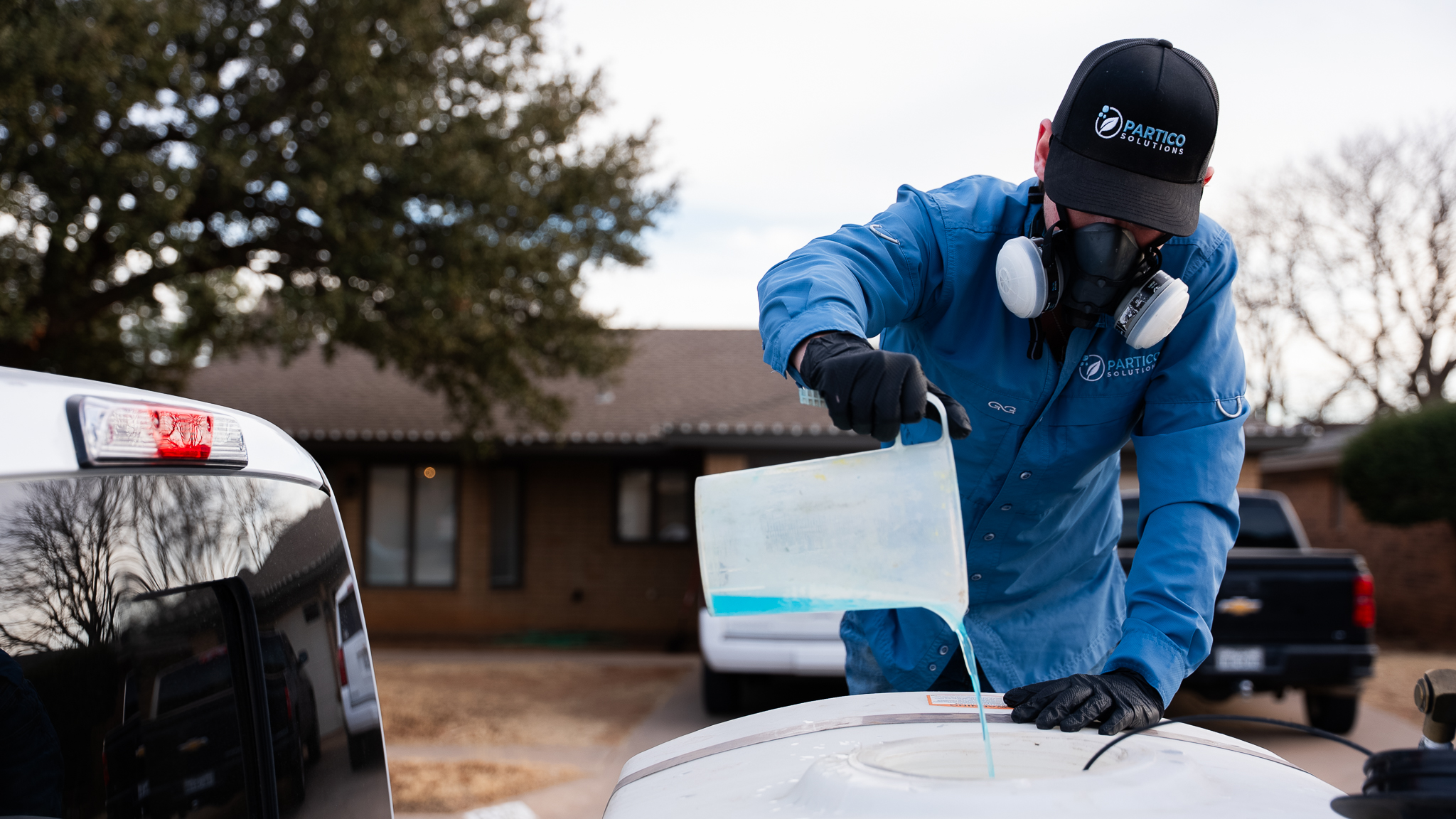
How to Remove Mold Safely
Here’s the key insight: safety first. When removing mold, use protective gear like gloves and masks. This protects you from inhaling spores. Start by identifying and fixing moisture issues to prevent future mold growth. Then, use a mold remover that suits the material affected.
Consider eco-friendly options that are less harsh on your home and the environment. These products can neutralize mold without the risks associated with bleach. For detailed steps, you might find this guide on safe mold removal helpful.
EPA Mold Guidance Explained
The EPA advises against using bleach on mold. They emphasize addressing moisture as the primary step. Without controlling moisture, mold will keep coming back. The EPA suggests using detergent and water to scrub away visible mold, followed by thorough drying.
Understanding these guidelines ensures that you approach mold removal effectively. This not only protects your health but also preserves your home. For more details, refer to the EPA’s mold resources.
Safe Alternatives to Bleach
If bleach isn’t the best option, what is? Hydrogen peroxide and vinegar are excellent bleach alternatives. They can penetrate porous surfaces and kill mold at its roots. These solutions are also safer for your health and the environment.
Using these alternatives reduces the chemical exposure in your home. Plus, they are often more effective in the long run. Keep your family safe and your home mold-free by opting for these natural solutions. Clorox also shares insights on alternatives.
West Texas Mold Prevention
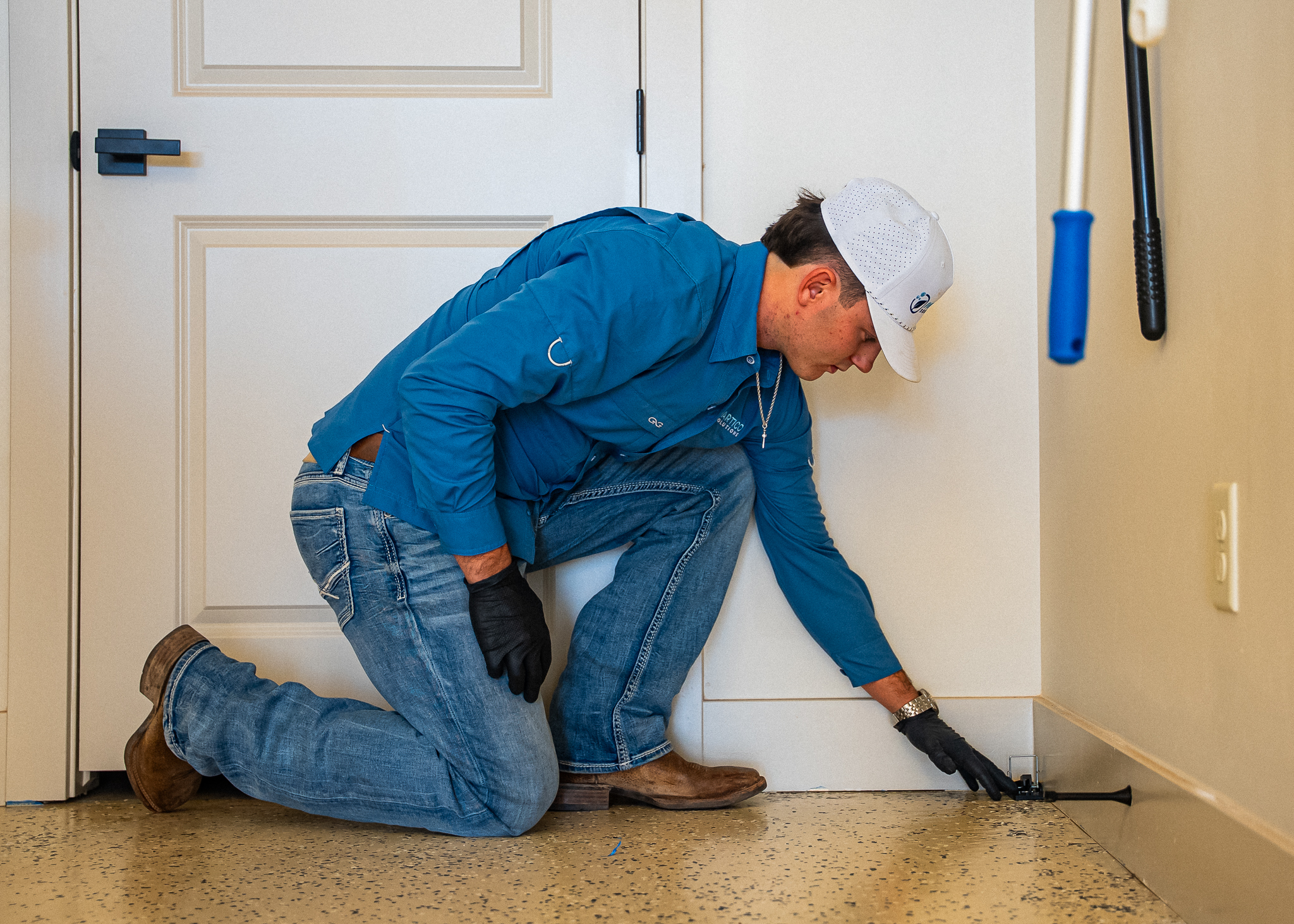
Moisture Control Around Home
Controlling moisture is crucial in Lubbock’s climate. Check for leaks in roofs, windows, and pipes regularly. Even small water damage can lead to mold growth. Use dehumidifiers in damp areas like basements and bathrooms.
Regularly inspect your home for signs of moisture and address them promptly. This proactive approach keeps your home healthy and mold at bay. For more on keeping your lawn healthy, check out How to Kill Weeds in Your Lubbock Lawn (Without Hurting Your Grass).
Foundation Drainage Tips
Proper drainage can prevent moisture from seeping into your home’s foundation. Ensure your gutters and downspouts direct water away from your home. This reduces the risk of water pooling around your foundation, which can lead to mold.
Consider grading your landscape to redirect water flow. This investment protects your home’s structure and prevents mold issues. It’s a small step with significant benefits, ensuring a dry and safe living space.
Integrated Pest Management Lubbock 🌿
Mold isn’t the only issue moisture can bring. Pests thrive in damp conditions too. Integrated pest management (IPM) offers a holistic approach to keeping pests at bay. This includes sealing entry points, reducing clutter, and using natural pest repellents.
In Lubbock, eco-friendly pest control is a priority. It keeps your home safe and reduces chemical use. Trust local experts to tailor solutions for your property’s needs. For more eco-conscious pest control tips, here’s a guide on smarter weed control.
Understanding and addressing mold issues keeps your home safe and healthy. By focusing on moisture control and eco-friendly practices, you ensure a cleaner, healthier living environment. Stay informed and take action to protect your property.